When selecting a pontoon boat transom engine mount or transom saver, the goal is a secure, vibration-free hold that protects the hull and engine during transit and operation. This guide highlights five dependable options, suitable for a range of single-ram tilt systems and mounting patterns. It helps you pick the right bracket or saver based on motor size, mounting dimensions, and environmental durability. The top picks are best for boaters who tow frequently, trailer often, or need easy, durable engine support.
Product Comparison at a Glance
| Product | Best For | Mount Type | Key Benefit | Limitations |
|---|---|---|---|---|
| AUTOVIC Transom Saver | Pontoon owners needing versatile support | Transom saver bracket | Universal compatibility for single ram tilt systems | Designed for broad use; confirm exact motor size |
| Sebnux Transom Saver | Engines up to 100 HP | Composite head with aluminum body | Strong support with marine-grade ABS clip | Best for mid-range HP motors |
| Hoffen Boat Outboard Bracket | Smaller outboards, frequent removals | Aluminum mounting bracket | Heavy duty, corrosion-resistant | Fits specific mounting dimensions |
| Marinebaby Outboard Bracket | 2-stroke up to 20 HP | Aluminum motor bracket | Heavy‑duty, adjustable height | Limited HP range |
| Upgraded LQYLMY Transom Plate | Jack plate compatible installations | 6061 aluminum plate set | Even load distribution and corrosion resistance | Requires compatible mounting pattern |
AUTOVIC Transom Saver Support for Single Ram Tilt Systems

This transom saver bracket is designed for universal compatibility with single ram tilt systems, making it a versatile choice for many pontoon models. The durable construction offers corrosion resistance and reduces engine-vibration impact on the hull, helping extend engine life. Best for boaters who tow frequently and want a single, adaptable mount that can handle various transom saver setups.
Who it’s best for: boaters needing a flexible, single-ram tilt-compatible saver that works across many transoms. Why selected: broad compatibility and solid durability. Caution: verify the specific motor weight and mounting pattern to ensure full compatibility with your setup.
Sebnux Boat Transom Saver Adjustable Shock Absorbing Saver
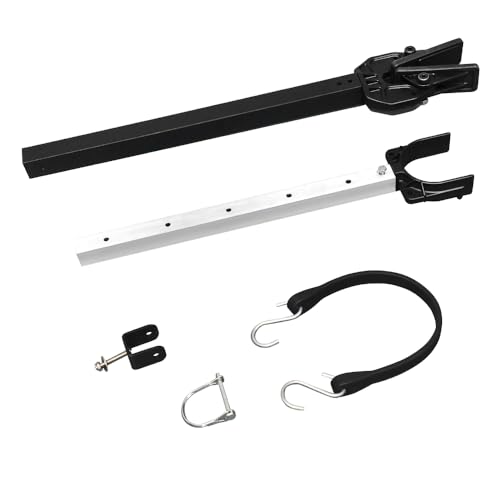
This model uses premium aluminum for strong support and a composite head with a marine-grade ABS clip to stabilize and protect the engine from scratches. Suitable for motors up to 100 HP, it helps prevent hull damage during operation and when the vessel is on the trailer. Best for: mid-range HP motors where a robust, secure hold is needed. Choose this if you want a durable combination of metal and composite components. Limitation: fits motors up to 100 HP, not for larger outboards.
Hoffen Boat Outboard Motor Bracket

Hoffen’s aluminum marine motor bracket is a heavy‑duty option designed for 2-stroke motors 7.5 HP to 20 HP. Its broad mounting footprint and corrosion-resistant build make it a practical choice for compact engines that require reliable, frequent mounting and dismounting. Best for: smaller outboards and frequent removal. Caution: ensure mounting plate dimensions align with your transom and jack plate setup.
Marinebaby Boat Outboard Motor Bracket
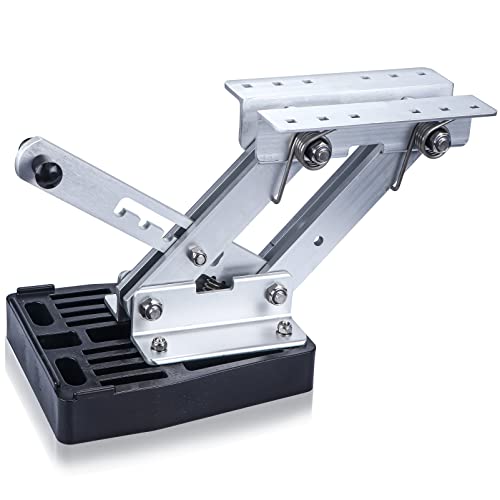
Marinebaby offers a heavy‑duty aluminum motor bracket with a solid polypropylene mounting board and stainless steel springs for counter-balance. It supports 2-stroke motors from 7.5 HP to 20 HP and features a 5-position height adjustment for flexible mounting. Best for: boats needing stable engine height control and shock absorption. Limitation: HP range is limited to 20 HP, which may exclude larger engines.
Upgraded Transom Plate Set For Outboard Mounting

This 6061 aluminum transom plate set provides top and bottom plates with standard bolt hole spacings, designed for outboard or jack plate mounting. It distributes engine load evenly across the transom and offers corrosion-resistant anodized finish. Best for: installations requiring a stable, load-distributing mounting solution. Caution: ensure bolt hole spacing matches your existing mounting pattern.
Buying Guide: Key Considerations For Pontoon Transom Mounts
- Engine HP range and weight: Match the mount’s weight capacity and intended motor size. Oversized mounts can add unnecessary weight and complexity; undersized mounts risk damage.
- Mounting pattern compatibility: Check bolt hole spacing (top and bottom plates) and transom dimensions to ensure a secure fit with your jack plate or transom setup.
- Material and corrosion resistance: Aluminum and stainless components offer durability in salt and freshwater. Anodized finishes provide extra wear protection in harsh marine environments.
- Shock and vibration management: Some savers include composite heads or springs to reduce engine bounce, which protects the hull and extends engine life.
- Adjustability: Height and angle adjustments help align the engine with the boat’s transom and waterline for optimal performance and trimming.
- Installation complexity: Consider whether the mount requires drilling, new hardware, or optional adapters. Simpler installs save time and reduce potential mounting errors.
- Intended usage: Frequent towing or trailering benefits from rugged, secure savers that minimize road-induced shocks and engine movement.
Frequently Asked Questions
- What is a transom saver and why do I need one? A transom saver stabilizes the outboard motor, reduces hull stress, and minimizes engine movement during towing and operation.
- Can I use a transom mount with any engine size? Most mounts specify a recommended HP and weight range. Always verify compatibility with your engine specifications.
- Are aluminum mounts suitable for saltwater? Yes, when constructed with corrosion-resistant finishes and stainless hardware; rinse after use to extend life.
- Do I need professional installation? Not always, but a proper install ensures safety and optimal performance, especially for larger engines or jack-plate setups.
- How do I choose between a plate system and a transom saver? Plate systems distribute load across larger transom areas and are suited for jack-plate configurations, while savers focus on stabilizing a single engine location.
- What maintenance is required? Regularly inspect for corrosion, loose bolts, and wear. Clean and lubricate moving parts as recommended by the manufacturer.